
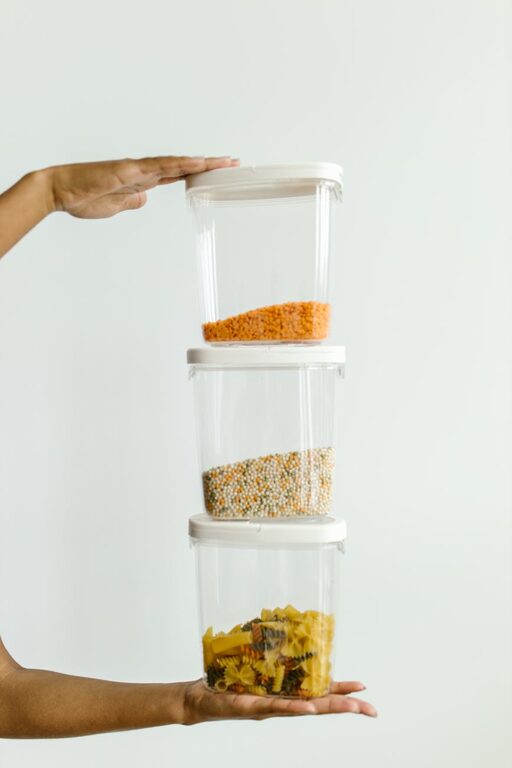
When it comes to meal planning, having a well-stocked pantry can be a game changer. Pantry staples—those non-perishable ingredients you keep on hand—allow you to whip up meals without last-minute grocery trips. Whether you’re aiming to save money, eat healthier, or simply reduce stress around mealtime, knowing how to plan meals from pantry staples is a valuable skill.
In this post, we’ll explore how to organize your pantry, identify versatile ingredients, and create balanced meals from what you already have. Let’s dive in!
Why Plan Meals from Pantry Staples?
Planning meals based on pantry staples helps you:
– Save money by using what you already have instead of buying extra ingredients.
– Reduce food waste by using ingredients before they expire.
– Save time since many pantry staples have a long shelf life and are easy to prepare.
– Be flexible during busy days or unexpected situations when fresh groceries aren’t available.
Step 1: Take Inventory of Your Pantry
Before meal planning, take stock of what’s in your pantry. Here’s how to do this effectively:
– Gather all pantry items. Empty shelves or cupboards to see everything.
– Group similar items. Beans, grains, canned goods, spices, etc.
– Check expiration dates. Make note of anything nearing expiry.
– Identify staples you use frequently. Rice, pasta, canned tomatoes, or spices you enjoy.
Keep a running list on your phone or a notebook for quick reference. This habit helps you avoid impulse buys and ensures you use what you have.
Step 2: Know Your Pantry Staples
There are pantry staples that generally form the foundation for a variety of meals. Here are some common essentials:
– Grains: rice, pasta, quinoa, couscous, oats
– Legumes: canned or dried beans, lentils, chickpeas
– Canned goods: tomatoes, vegetables, tuna, broth
– Baking essentials: flour, sugar, baking powder, baking soda
– Oils and vinegars: olive oil, vegetable oil, apple cider vinegar
– Herbs and spices: salt, pepper, garlic powder, chili flakes, dried herbs
– Nuts and seeds: almonds, peanuts, sunflower seeds
– Condiments: mustard, soy sauce, hot sauce
– Sweeteners: honey, maple syrup
Having a mix covering these categories will allow you to prepare balanced, flavorful dishes.
Step 3: Plan Balanced Meals Around Staples
A balanced meal includes a source of protein, carbohydrates, and vegetables or fruits for vitamins and fiber. Here’s how to achieve this using pantry items:
Protein Sources from Pantry Staples
– Beans and lentils: Great plant-based protein, used in soups, stews, or salads.
– Canned tuna or salmon: Easy additions to pasta, rice bowls, or sandwiches.
– Nuts and seeds: Can be added to salads or grain dishes.
– Peanut butter: Adds protein and flavor to sauces or snacks.
Carbohydrate Sources
– Rice, pasta, or couscous: Versatile base for meals.
– Oats: For breakfast or in recipes like meatloaf or veggie burgers.
– Quinoa or barley: Nutritious options for salads or side dishes.
Vegetables and Flavor
– Canned tomatoes: Used in sauces, soups, and stews.
– Jarred or canned vegetables: Add to casseroles or grain bowls.
– Spices and herbs: Elevate the flavor of simple ingredients.
– Freeze-dried or dehydrated vegetables: Good backups when fresh veggies are low.
Step 4: Use Meal Planning Templates
Create a weekly meal plan based on the staples you have. Here’s a simple template to get started:
| Day | Meal | Main Ingredients |
|———–|———————-|—————————————————-|
| Monday | Lentil stew | Lentils, canned tomatoes, garlic, spices |
| Tuesday | Tuna pasta salad | Pasta, canned tuna, olive oil, vinegar |
| Wednesday | Rice and beans | Rice, canned beans, chili flakes, onions (optional)|
| Thursday | Chickpea curry | Chickpeas, coconut milk (if available), curry spices|
| Friday | Vegetable soup | Mixed canned vegetables, broth, dried herbs |
| Saturday | Oatmeal breakfast | Oats, nuts, honey |
| Sunday | Quinoa salad | Quinoa, canned vegetables, nuts, lemon juice |
Adjust according to your pantry contents and preferences.
Step 5: Tips for Meal Success with Pantry Staples
– Combine textures and flavors. Add crunch with nuts or seeds, tang with vinegar, and spice with chili flakes.
– Prep in advance. Cook grains or soak beans ahead to save time.
– Mix and match. Try swapping beans for lentils or rice for quinoa.
– Keep a spice mix ready. A homemade blend can transform simple dishes.
– Incorporate fresh or frozen produce. If available, add fresh herbs or frozen vegetables for extra nutrition.
– Use leftovers creatively. Turn yesterday’s stew into a wrap filling or a soup base.
Step 6: Expanding Your Pantry Over Time
As you get comfortable, gradually build your pantry with versatile additions like:
– Canned coconut milk
– Sun-dried tomatoes
– Different types of beans and grains
– Shelf-stable sauces (e.g., soy sauce, tahini)
– Variety of dried herbs and spices
These ingredients deepen your recipe options and keep meals interesting.
Conclusion
Planning meals from pantry staples is a simple but powerful way to streamline cooking, save money, and eat well. By knowing what you have, focusing on balanced nutrition, and using a bit of creativity, you can turn basic ingredients into satisfying dishes any day of the week.
Remember: the key to success is organization and flexibility—let your pantry guide your meals, and enjoy the process of creating from what’s on hand.
Happy cooking!